Red Thread Font Review
As a web designer, I often find myself searching for the perfect font to elevate a project’s visual identity. Red Thread has become one of my go-to choices when I need a touch of softness and elegance in digital design. It’s not just a font—it’s a mood, a personality, and a creative tool that brings warmth to any layout.
Testing Red Thread in a Hero Section
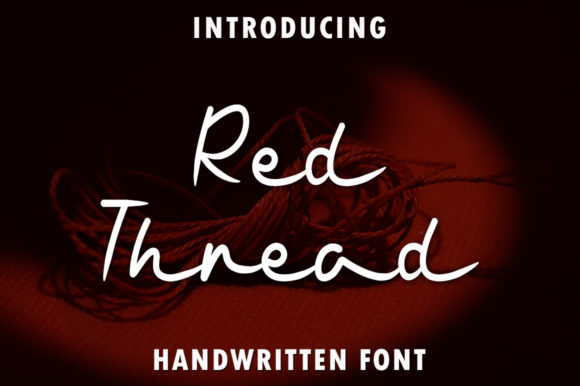
I first tested Red Thread on a hero section for a boutique online store. The font’s delicate strokes and flowing curves added an organic feel that contrasted beautifully with the clean, modern sans serif used for body text. On desktop, it looked elegant and readable, but on mobile, I noticed that the smaller details could get lost if not sized properly. Still, as a headline, it brought a sense of charm and intention to the page.
When placed over a background image, Red Thread felt like a whisper against the noise. It worked especially well when paired with a subtle gradient or light texture, allowing the font to stand out without competing with the visuals behind it.
Using Red Thread for Call-to-Action Buttons
For a call-to-action button on a course sales page, I experimented with Red Thread as the primary text. The result was charming, but I quickly realized that its decorative nature made it less effective for dense, high-traffic areas. When I reduced the size and adjusted the spacing, it still held up, but I found that a simpler, more structured font worked better for longer copy.
That said, Red Thread shines when used as a secondary accent. I used it for a “Special Offer” tagline next to a bold, sans-serif CTA. The contrast between the two fonts created a balanced, visually engaging design that drew attention without overwhelming the user.
Red Thread in Portfolio Websites
On a creative portfolio site, Red Thread became the perfect complement to a minimalist layout. I used it for project titles and subheadings, letting it add a personal, handcrafted feel to each section. The font’s natural variation gave each title a unique touch, which aligned well with the site’s overall aesthetic.
One challenge I faced was ensuring consistency across different screen sizes. On smaller devices, some of the finer details in the letters were harder to read. I adjusted the font size and line height, which improved readability while keeping the font’s character intact.
Font Pairing for Web Design
Red Thread pairs exceptionally well with clean, modern fonts. I’ve used it alongside a simple sans serif for body text, which created a nice balance between creativity and clarity. For a more editorial look, I paired it with a serif font, resulting in a sophisticated, timeless feel.
When working on a blog redesign, I used Red Thread for headlines and a bold display font for the main title. The combination gave the site a fresh, inviting tone that resonated with the brand’s message.
Accessibility and Readability Considerations
While Red Thread is beautiful, it’s important to consider accessibility when using it in digital projects. For small buttons or form labels, I recommend avoiding it altogether. Its ornate style can make it difficult to read in low-contrast situations or when space is limited.
However, when used thoughtfully—such as for headings, logos, or decorative elements—it adds a unique flair that can enhance a website’s visual storytelling. I always check how it looks on dark backgrounds and ensure there’s enough spacing between characters to maintain legibility.
Webfont Availability and Licensing
Before implementing Red Thread on a client’s site, I made sure to verify the available webfont formats and licensing terms. The font comes in multiple weights and styles, which is great for flexibility. I also checked for multilingual support, as the client’s audience included non-English speakers.
For commercial use, the licensing agreement was clear and straightforward. I had no issues integrating it into the site’s CSS, and the performance was smooth across different browsers and devices.
Overall, Red Thread is a versatile and expressive font that brings a human touch to digital design. Whether you’re building a creative portfolio, launching an online store, or redesigning a blog, it offers a unique way to express your brand’s personality while maintaining a professional appearance.